
Mexico is a country with high seismic activity, so assessing a property's condition after an earthquake is not just a safety measure—it is also a smart decision to protect your investment.
Whether you live in Mexico, are buying a second home, investing in a vacation property, or evaluating a property for rental, checking the structural condition of a house or apartment after an earthquake can help you prevent risks, avoid unexpected expenses, and make better financial decisions.
For foreign buyers, this is especially important. When purchasing a property in another country, it is not enough to review the location, price, or design. It is also essential to understand whether the property is in good physical, legal, and structural condition.
At Mexico Mortgage Hub, we explain why it is important to evaluate a property after an earthquake, what signs to look for, and how this review can affect a purchase, sale, or mortgage financing.
You may also be interested in: Everything you need to evaluate before getting a mortgage
Why is it important to inspect a property after an earthquake?
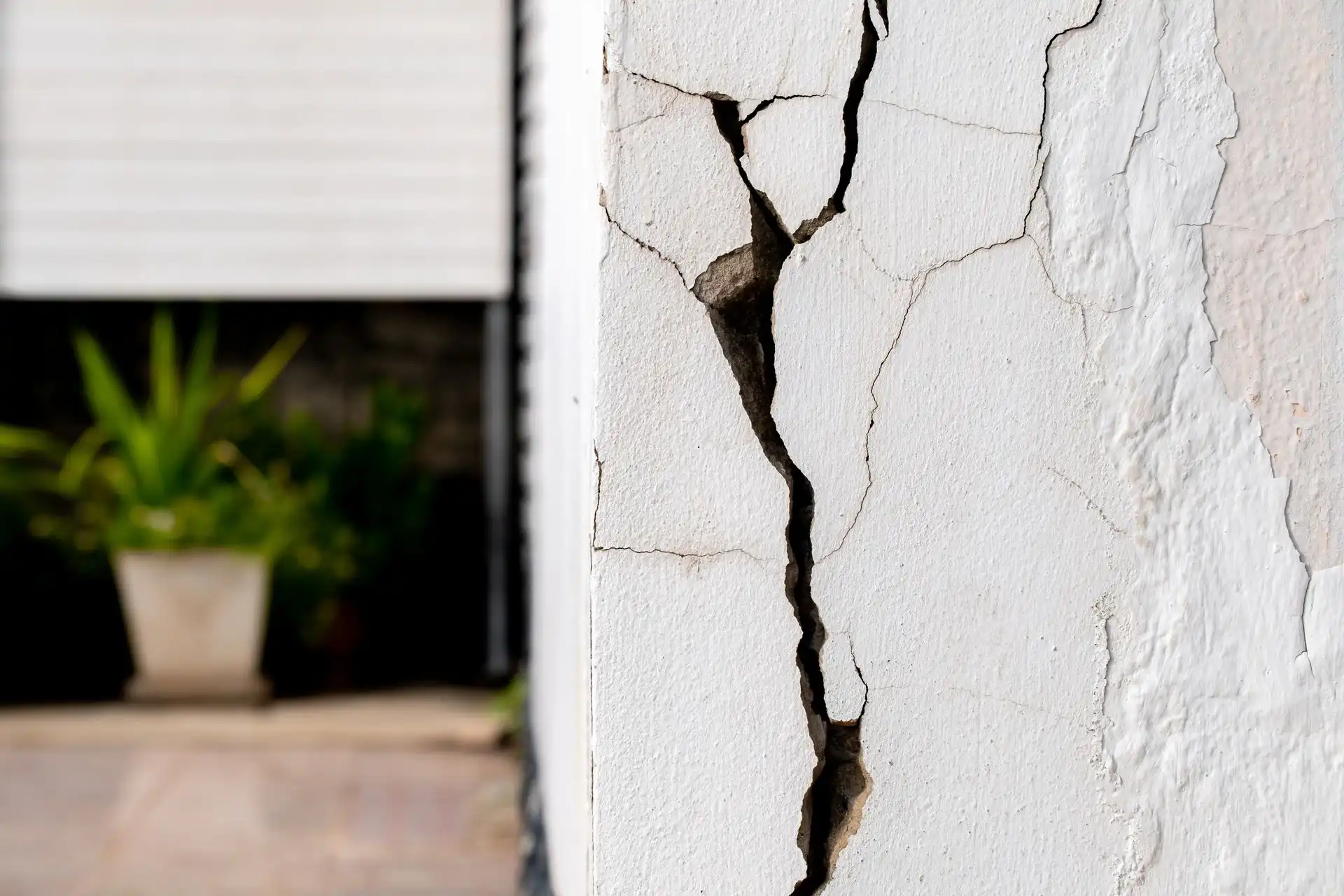
After an earthquake, a home may have visible damage or damage that is not easy to spot at first glance. Even if a house or building appears to be in good condition, the shaking may have affected walls, columns, slabs, beams, foundations, facades, or nonstructural elements.
According to CENAPRED, you should inspect your home after an earthquake, especially its walls and columns. Not all cracks indicate a risk of collapse, but damage to load-bearing elements does require specialized attention.
This is key because a property with structural damage may pose a risk to its occupants, reduce its market value, make a future sale more difficult, affect its insurability, or complicate financing.
In real estate, safety is also part of a property's value.

Buying a safe property is also a smart investment
When buying a house or apartment in Mexico, people typically consider factors such as location, price, amenities, proximity to services, appreciation potential, and rental potential. However, structural safety should be part of the same evaluation.
A property may be in an attractive area, have a great design, and offer strong investment potential, but if it has unaddressed structural damage, it can become a financial burden.
For international buyers, checking the property's physical condition helps answer important questions:
Is the property safe to live in?
Can it retain its value over the long term?
Will it need major repairs?
Can it be financed?
Can it be rented out safely?
Does it have sufficient technical documentation?
Would it make sense to negotiate the price?
A thorough inspection can give you greater peace of mind before signing a purchase agreement or applying for mortgage financing.
How do you evaluate a property after an earthquake?
The first recommendation is clear: if you see serious damage, do not enter the property. Contact Civil Protection or a specialist for assistance.
CENAPRED recommends not using a property if it has damage and staying alert for possible aftershocks.
After confirming there is no immediate risk, the inspection can be divided into two stages: an exterior inspection and an interior inspection.
1. Exterior inspection of the property
An exterior inspection helps identify visible signs of risk before entering the property.
Some important things to check include:
Visible ground subsidence.
Apparent tilting of the property.
Cracks in the ground or around the foundation.
Gaps between walls and sidewalks.
Damage to boundary walls, facades, balconies, or awnings.
Falling cladding, glass, ceiling panels, or decorative elements.
Visible deformations in columns, walls, or entrances.
If a property appears tilted, has subsidence, deep cracks in the ground, or major falling debris, it is best not to enter until it has been inspected by qualified personnel.
This is especially relevant in multistory buildings, where damage to structural elements can affect not just one home, but the entire building.
2. Interior inspection of the property
Once it has been confirmed that it is safe to enter, you can conduct a visual inspection of the interior.
Inside the property, it is important to check:
Walls.
Columns.
Beams.
Slabs.
Stairs.
Ceilings.
Floors.
Doors and windows.
Visible utility systems.
Junctions between walls and ceilings.
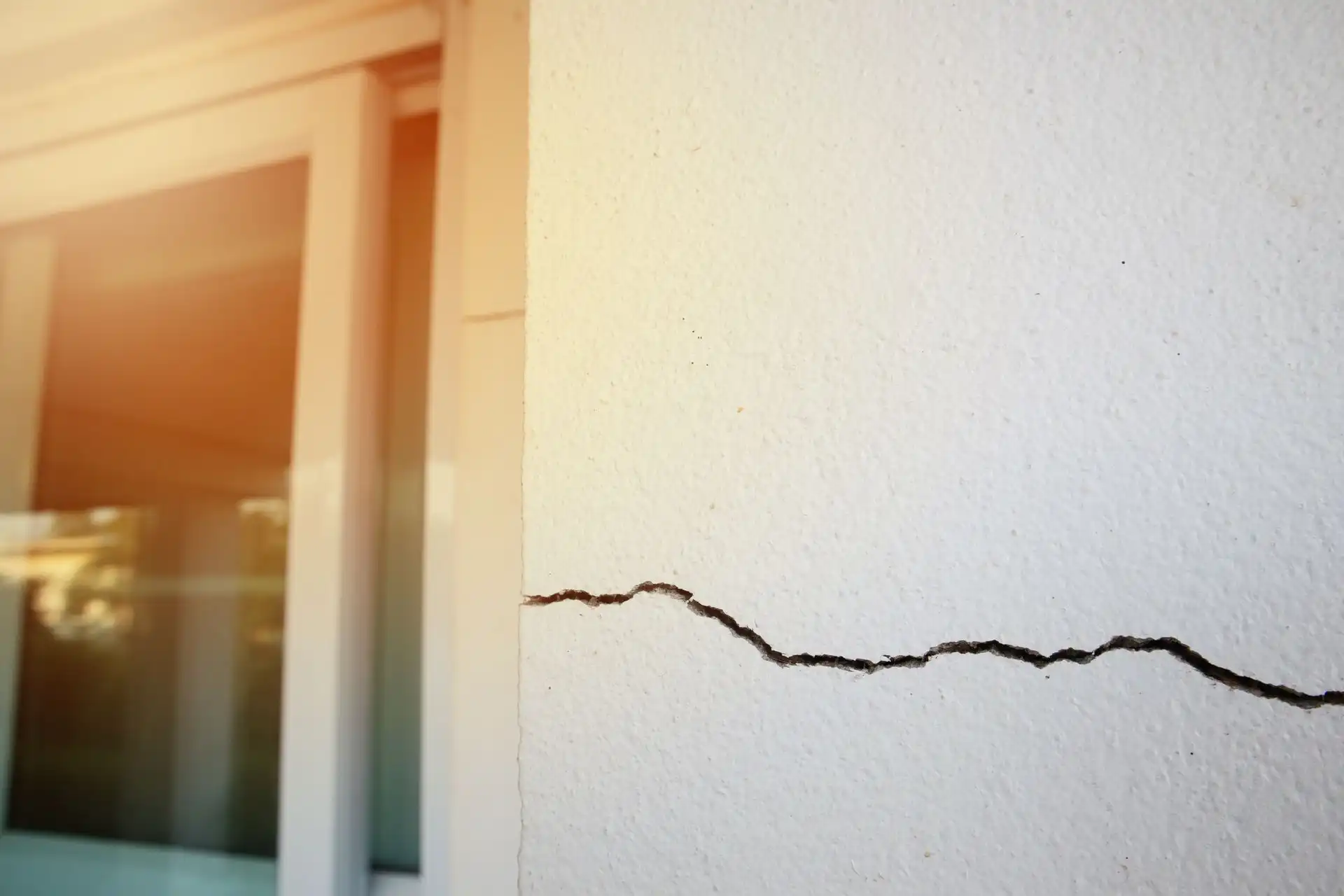
Not all cracks carry the same level of risk. Some may be superficial, cosmetic, or limited to the finish. However, if they appear in columns, beams, load-bearing walls, or structural support elements, they should be evaluated by a structural engineer, architect, construction project supervisor, or equivalent specialist.
It is also important to check whether doors or windows no longer close properly, floors feel uneven, or there are noises, falling debris, or deformations that were not present before.

What signs may indicate possible structural damage?
Although only a specialist can provide a technical assessment, certain signs should be taken seriously:
Pronounced diagonal cracks.
“X”-shaped cracks.
Cracks that extend through entire walls.
Cracked or deformed columns, or columns with exposed steel.
Damaged beams.
Slabs with significant cracks or sagging.
Walls separated from columns or ceilings.
Spalling concrete.
Visible tilting of the building.
Ground subsidence.
Damage to elevator shafts or stairwells.
If you notice any of these signs, the safest course of action is to stop using the property until it has been professionally inspected.
Concrete, brick, adobe, or wood properties: each material responds differently
Not all properties respond to an earthquake in the same way. Their performance depends on the design, age, materials, maintenance, soil type, construction quality, and any modifications made over time.
Concrete properties
In concrete houses and buildings, the most important elements are usually columns, beams, slabs, and structural walls. If any of these show visible damage, they should be inspected immediately.
Surface cracks in finishes may not pose a major risk, but deep cracks in columns, beams, or load-bearing walls require specialized attention.
Facades, balconies, glass, suspended ceilings, stairs, and common areas should also be checked, as nonstructural elements can also pose a danger to residents or visitors.
Brick or masonry properties
In brick or masonry homes, cracks at corners, wall joints, or areas near doors and windows may indicate significant stress during the earthquake.
If the cracks are diagonal, deep, or extend across multiple walls, a technical inspection is recommended.
Adobe homes
Adobe structures may be more vulnerable if they lack proper reinforcement or regular maintenance. After an earthquake, any significant crack, wall separation, falling debris, or deformation should be considered a warning sign.
For this type of property, a professional inspection is especially important before moving in, buying, or renting it.
Wood-frame homes
Wood-frame homes generally behave differently during earthquakes, but their beams, columns, joints, foundations, or walls can also be damaged.
If you notice cracks, deformations, separated components, subsidence, or damage to a significant part of the structure, request a specialized assessment.
What if you want to buy a property that was damaged in an earthquake?
Buying a property with a history of earthquake damage does not always mean you should rule it out. In some cases, the damage may have been properly repaired, and the property may be safe.
However, before moving forward, it is a good idea to request documentation that verifies its current condition.
You can request:
Structural assessment report.
Repair or reinforcement report.
Structural plans.
Construction licenses or permits.
Inspection certificates.
Opinion from an independent specialist.
Updated appraisal.
Information about the building manager, in the case of a condominium.
For a foreign buyer, this type of review can be the difference between a sound investment and a risky purchase.
Find the perfect mortgage in Mexico
International Financing Experts
Discover your dream mortgage in Mexico with the help of our team of experts and trusted partners.
Why does this assessment matter for mortgage financing?
When a financial institution evaluates a property for a mortgage loan, it doesn’t just assess the buyer. It also reviews the property as collateral.
This means the property’s physical, legal, and technical condition can affect whether financing is approved.
A property with structural damage, incomplete documentation, or habitability issues may face more obstacles during the mortgage process. That’s why, before starting a purchase, it’s a good idea to make sure the property is viable from a technical, legal, and financial standpoint.
At Mexico Mortgage Hub, we help international buyers understand their financing options for purchasing property in Mexico. The platform offers financing options for foreign buyers, with loan-to-value ratios of up to 80% and terms of up to 30 years, subject to the borrower’s profile, requirements, and approval.
Assessing a property also protects its resale value
A safe, well-maintained home with its documentation in order can better retain its value over time.
In contrast, a property with unaddressed damage can lose value, raise concerns among future buyers, or require significant price reductions to sell.
If your goal is to invest in Mexico, rent out a property, or sell it in the future, structural safety should be part of your wealth-building strategy.
A post-earthquake inspection doesn’t just protect lives. It also protects the value of your investment.
What should you do if you notice damage after an earthquake?
If you notice significant damage to a property, consider taking the following steps:
Avoid entering if there are signs of danger.
Stay away from facades, glass, walls, balconies, or any elements that could fall.
Contact local Civil Protection or call 911 in an emergency.
Request a professional technical inspection.
Document the damage with photos and videos, but only if it is safe to do so.
Check whether there is damage insurance coverage.
Don’t attempt improvised structural repairs.
Request an assessment before occupying, buying, selling, or renting the property.
In Mexico City, for example, after the January 2, 2026, earthquake, the Secretariat for Comprehensive Risk Management and Civil Protection reported receiving requests for post-earthquake property inspections through 911.
Before buying in Mexico, look beyond the price
Mexico’s real estate market offers great opportunities for foreign buyers: beachfront properties, city apartments, homes in planned communities, rental properties, and long-term investment options.
But a good investment is defined by more than just price or location. It also depends on safety, documentation, construction quality, appreciation potential, and financial viability.
Before buying a property in Mexico, especially in seismic zones, it’s a good idea to seek real estate, technical, legal, and financial guidance.
Conclusion: a safe property is a better investment
Assessing a property after an earthquake is essential to protecting the lives of its occupants and the value of their investment.
If you already own property in Mexico, having it inspected after an earthquake can help you identify damage early. If you’re about to buy, requesting technical information and a professional inspection can give you greater confidence before investing.
For foreign buyers, this assessment is even more important because it helps them make informed decisions in a market that differs from the one in their home country.
At Mexico Mortgage Hub, we believe buying property in Mexico should be a safe, clear, and well-structured experience.
Are you thinking about buying a home, apartment, or vacation property in Mexico? Talk to a Mexico Mortgage Hub specialist and explore your financing options as a foreign buyer.